If you are an international student planning to apply to universities in the United States, you have likely heard the phrase “Ivy League” used as a synonym for elite education.
But what does the Ivy League actually mean?
In this guide, you will learn what the Ivy League is, why it is called that, which universities belong to it, and what students should truly understand before applying.
What is the Ivy League?
The Ivy League is a group of eight private universities located in the northeastern United States. Officially, it is an NCAA Division I athletic conference formed in 1954.
However, the relationships between these universities go back much further. Beginning in the late nineteenth century, the schools regularly competed against each other in intercollegiate sports. Over time, their shared traditions, academic rigor, and long institutional histories created a collective identity.
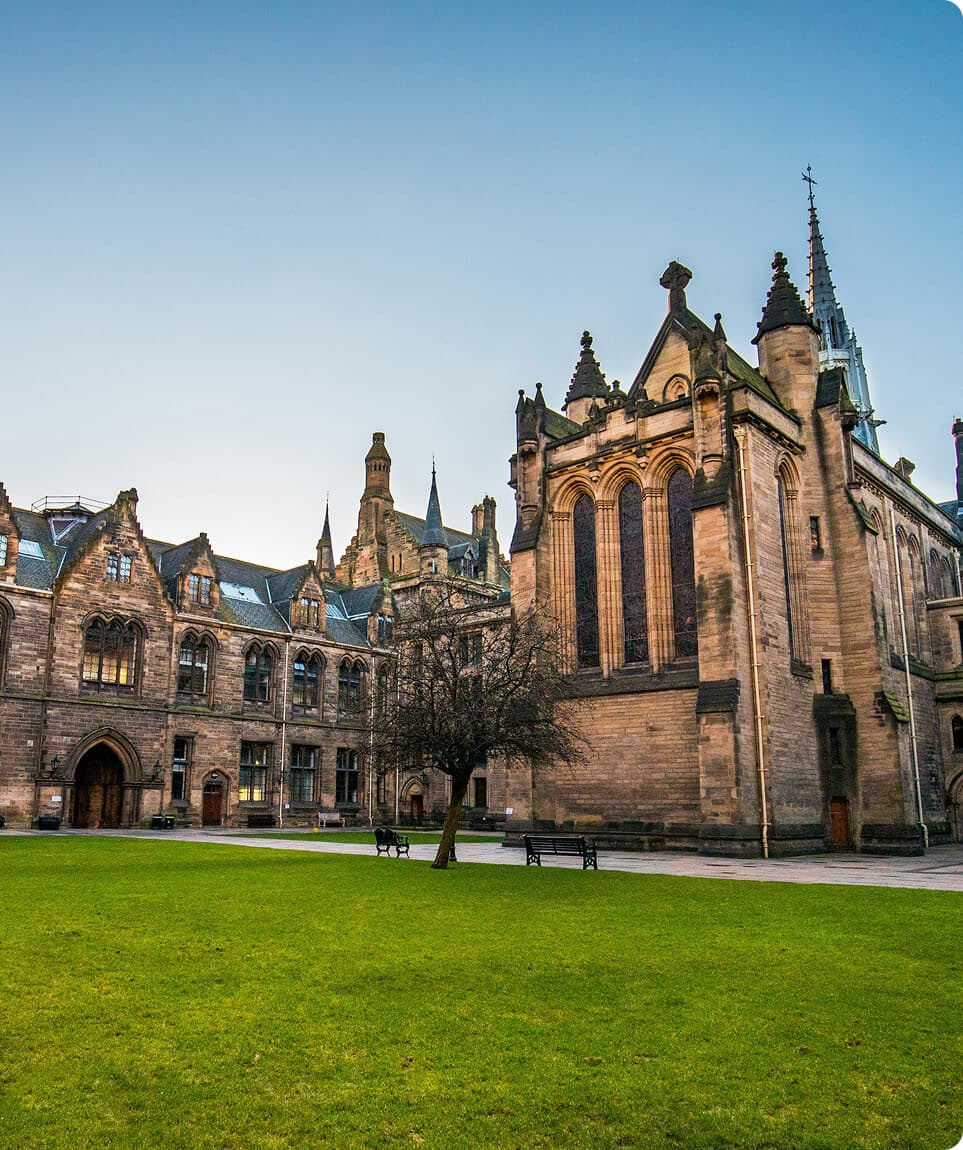
The phrase “Ivy League” originated from a 1937 sports article by journalist Caswell Adams, who described older universities with ivy-covered buildings while covering a football game between Columbia University and the University of Pennsylvania. The nickname eventually became associated with the conference itself and later with academic prestige.
Today, Ivy League universities are globally recognized for selective admissions, strong research output, influential alumni networks, and rigorous liberal arts education alongside competitive athletics.
Every Ivy League School
Harvard University
Ranking: #3 in National Universities (U.S. News)
Founded in 1636, Harvard is the oldest institution of higher education in the United States. Located in Cambridge, Massachusetts, Harvard blends historic traditions with modern research leadership.
Undergraduates study through Harvard College, where small seminar-style classes encourage discussion and independent thinking. A defining feature of Harvard is its residential House system, where students live in close academic communities after their first year, building strong mentorship networks.
Harvard students frequently participate in organizations such as The Harvard Crimson (one of the oldest college newspapers in the U.S.) and Harvard Athletics, which offers forty-two Division I intercollegiate varsity teams for women and men.
| Acceptance Rate | Average SAT | Average ACT | Popular Majors | Average Tuition |
| 4% | 1510–1580 | 34–36 | Economics, Government, Biology, Computer Science, History | $64,796 |
Yale University
Ranking: #4 in National Universities
Located in New Haven, Connecticut, Yale University is famous for its residential college system, which divides undergraduates into smaller communities that shape social and academic life.
Founded in 1701, Yale emphasizes interdisciplinary liberal arts education through Yale College. Students often explore across disciplines before declaring majors.
Yale’s arts culture is especially strong. The Yale Dramatic Association is the oldest college theater organization in the U.S., and many productions later move to Broadway or film. Traditions like “Bladderball,” a historic campus game, reflect Yale’s vibrant student culture.
| Acceptance Rate | Average SAT | Average ACT | Popular Majors | Average Tuition |
| 4% | 1470–1570 | 33–35 | Economics, Computer Science, Political Science, History, Global Affairs | $69,900 |
Princeton University
Ranking: #1 in National Universities (U.S. News)
Princeton University, founded in 1746 and located in Princeton, New Jersey, is widely known for prioritizing undergraduate education.
Every Princeton student completes independent research, culminating in a senior thesis or major project. This requirement makes Princeton especially attractive for students interested in research early in college.
Campus traditions include the Princeton Triangle Club, a long-running musical comedy troupe, and “Reunions,” one of the largest alumni gatherings in the world.
Princeton is particularly strong in public policy, engineering, economics, and mathematics through institutions like the Princeton School of Public and International Affairs.
| Acceptance Rate | Average SAT | Average ACT | Popular Majors | AverageTuition |
| 5% | 1510–1580 | 34–35 | Computer Science, Economics, English, Biomedical Sciences | $65,210 |
Columbia University
Ranking: #15 in National Universities (U.S. News)
Situated in New York City, Columbia University combines a traditional campus with unmatched urban access.
Its defining academic feature is the Core Curriculum, a shared academic experience where students transcend disciplines and study philosophy, literature, science, and art together. This creates a common intellectual foundation across majors.
Columbia’s location allows students to intern during semesters at global organizations, media companies, and financial institutions. Student activism and journalism are central to campus culture, especially through the Columbia Daily Spectator newspaper.
| Acceptance Rate | Average SAT | Average ACT | Popular Majors | Average Tuition |
| 4% | 1510–1580 | 34–35 | Chemical Engineering, Electrical Engineering, Computer Science | $71,845 |
University of Pennsylvania
Ranking: #7 in National Universities (U.S. News)
Founded by Benjamin Franklin in 1740, the University of Pennsylvania, focuses on interdisciplinary learning and real-world application.
Penn is best known for the Wharton School, widely considered one of the top undergraduate business programs globally. Unique dual-degree programs such as the Huntsman Program combine business with international studies.
Student life strongly emphasizes pre-professional exploration. Penn traditions include Spring Fling, one of the largest student-run college festivals in the U.S.
| Acceptance Rate | Average SAT | Average ACT | Popular Majors | Average Tuition |
| 5% | 1510–1570 | 34–36 | Finance, Economics, Nursing, Biology, Business | $71,236 |
Dartmouth College
Ranking: #13 in National Universities (U.S. News)
Dartmouth College, located in Hanover, New Hampshire, offers one of the most close-knit undergraduate experiences among Ivy League schools.
Its flexible academic calendar, known as the D-Plan, allows students to alternate study terms with internships, research, or study abroad experiences.
A defining Dartmouth tradition is the First-Year Trips program, where incoming students explore the outdoors together before classes begin, fostering strong community bonds.
| Acceptance Rate | Average SAT | Average ACT | Popular Majors | AverageTuition |
| 5% | 1500–1570 | 33–35 | Economics, Government, Engineering, Environmental Studies | $71,265 |
Brown University
Ranking: #13 in National Universities (U.S. News)
Located in Providence, Rhode Island, Brown University is known for its Open Curriculum, which removes general education requirements and allows students to design their own academic paths.
Students often combine disciplines freely, such as computer science with philosophy or economics with public health.
Brown’s creative culture stands out. Student groups like the Brown Debating Union and numerous arts collectives reflect a strong emphasis on intellectual independence and collaboration.
| Acceptance Rate | Average SAT | Average ACT | Popular Majors | Annual Tuition |
| 5% | 1510–1580 | 34–35 | Computer Science, Economics, Mathematics, Biology, International Relations | $74,550 |
Cornell University
Ranking: #12 in National Universities
Cornell University, located in Ithaca, New York, has the largest undergraduate population among Ivy League schools and offers a broad range of academic programs.
Cornell operates multiple undergraduate colleges, allowing students to pursue specialized fields such as hospitality management, agriculture, architecture, and engineering.
Campus traditions include Slope Day, a major annual celebration marking the end of classes. Cornell’s motto, ‘Any person … any study’ reflects its commitment to academic diversity.
| Acceptance Rate | Average SAT | Average ACT | Popular Majors | Average Tuition |
| 8% | 1500–1570 | 33–35 | Engineering, Computer Science, Business, Biological Sciences | $72,270 |
What Do Ivy League Colleges Look For?
Ivy League admissions use holistic review. Grades matter, but they are only one part of the evaluation.
Here is what admissions officers look for and what you can do to strengthen your profile.
1. Academic Strength
What they want: Evidence you challenged yourself academically.
What you should do:
- Take the most rigorous courses available in your school system.
- Pursue academic competitions, Olympiads, or independent research projects.
- Show upward grade trends if earlier grades were weaker.
2. Intellectual Direction
What they want: A clear academic interest.
What you should do:
- Build projects connected to one theme.
- Avoid random activities chosen only for resume building.
3. Depth in Extracurricular Activities
What they want: External validation and measurable impact over participation.
What you should do:
- Stay committed to 2–4 meaningful activities for multiple years.
- Seek leadership or create something new.
- Measure outcomes such as people reached, funds raised, or research published.
4. Authenticity
What they want: They clearly want to see whether or not your personality matches university values. These values are reflected in your essays and recommendation letters.
What you should do:
- Write about moments of change or learning, not achievements alone.
- Show how experiences shaped your thinking.
- Revise essays multiple times with feedback.
- Before drafting your essays, do a clear research on the university values, and what qualities they look for in applicants.
5. Strong Recommendations
What they want: Insight into how you think and contribute.
What you should do:
- Build relationships with teachers early.
- Participate actively in class discussions.
- Share your goals with recommenders so letters are specific.
6. Community Orientation
What they want: Students who will actively engage on campus.
What you should do:
- Demonstrate initiative in your local community. You don’t have to change the world.
- Focus on sustained involvement rather than short volunteering experiences.
Remember: Context Matters!
Admissions officers evaluate you within your school system and available opportunities.
Your goal is not perfection. Your goal is maximizing what was available to you.
Final Thoughts
Many students mistakenly believe admission to a top university is the final goal. In reality, college is only the beginning.
A stronger approach is to think about the life you want to build. What problems do you want to solve? What impact do you want to create? Your college choice should support that direction, not define it.
The Ivy League represents eight historic universities connected by tradition, athletics, and academic excellence. With thoughtful preparation and the right mentorship, international students can approach the admissions process with clarity and confidence.
At Athena Education, students receive personalized mentorship, strategic profile development, and expert guidance to build authentic applications and discover universities where they will truly thrive.