

Ivy League Admissions Consulting
Don't be basic.
Misfits are the best fits.
Results 2025-26
Where Athena students got in
Founded by Princeton alumni, trusted by students across 30+ countries.
50 universities · scroll for more
1
Harvard

1
MIT

2
Yale
5
Brown University
7
Stanford
10
Columbia University
13
Cornell
4
University of Oxford
3
Caltech

14
UPenn
2
University of Cambridge
21
UC Berkeley
8
Dartmouth
24
Imperial
14
Duke
8
Northwestern
3
University of Chicago
10
JHU
12
CMU

37
UCL
7
LSE
29
NYU
37
UCLA
2
Williams

3
Georgetown
5
Vanderbilt
7
Rice University

42
USC
1
Pomona
34
University of Michigan
15
University of Virginia
22
Georgia Tech

5
Claremont McKenna
27
Emory
15
UT Austin
39
UC San Diego
2
Tufts
8
Parsons
18
University of St. Andrews
5
University of Toronto

2
RISD
55
Purdue
80
UIUC
33
Warwick

16
King's College
12
University of Edinburgh

10
Durham University
13
Boston University
7
Babson

21
UNC Chapel Hill
Make colleges an offer
They can't refuse.
30
Countries represented
4,000+
Admissions over 11 years
900+
Admissions in 2024-25
1,000+
Students since 2014
90%
Admitted to Top-20 US universities
85%
Admitted to Top-5 UK universities
8x
Athena's Ivy admission rate boost (2025)
180+
Ivy+ & Oxbridge admissions since 2014*
Athena Goes Global
Look around. There's an Athena scholar (and a mentor) near you.
We're a bunch of oddballs.
Are you?
Today's hyper-competitive universities seek authenticity and enthusiasm above all. At Athena, we help turn your quirky talents and passions into powerful college applications.
- Personalized
- Process-Driven
- Excellence-Oriented
What's cooking
Co-founder on LinkedIn? Cool. So what?
Preparing an application suited to elite university tastes requires craft. With the Athena masala, we teach you the recipe for success.
Our Results
A master class in undergraduate admissions, since 2014
199+
Purdue
45+
Kings College
97+
Warwick
6+
Harvard
25+
Stanford
9+
Princeton
23+
Cornell
26+
Upenn
9+
Columbia
14+
Oxford
14+
Cambridge
21+
Brown
Co-conspirators — Our Partners









Testimonials
Clients love to gush about us!
They showed me how to use every part of my application — the activities list, the essays, the supplements — to show I'm not just one-faceted, but someone with many different sides that are unique and interesting.

Farhan Haque
Princeton University '28
Athena has been really fundamental in my journey. More than that, I think they gave me this belief in myself … I would not have been able to write such good essays without the mentorship I received.

Eshna Agarwal
Harvard University '29
It had been my dream to write a research paper, but I thought I'd have to wait until college … Athena will adapt to exactly what you want. They are a bank of wisdom, always there to solve your problems.

Agastyaa Vishwanath
Imperial College London '27
Don't miss out
Checked out our socials yet?
We're constantly dropping insider secrets, industry news, and advice that actually works (not to mention memes).
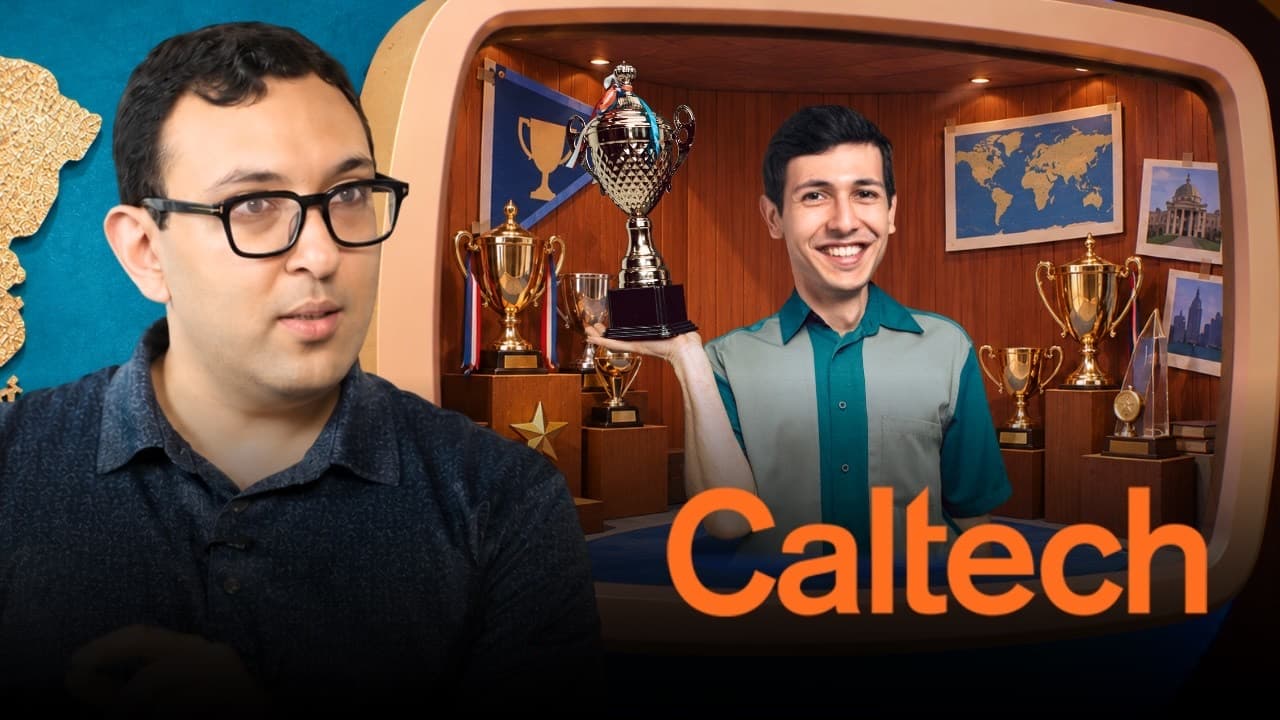
Caltech's Done With Your Lies | Your Weekly Check-in With Rahul & Anantya | Episode 1


FAQs
Everything clear?
Preparing an application suited to elite university tastes requires craft. With the Athena masala, we teach you the recipe for success.
Unsure where to begin?
Submit our 2-minute form for a complimentary consultation with Athena's experts — we'll walk you through the process.
Let's Get Started!